Revealing the infrastructures that shape our sense of place
Prime Location (2025 - ongoing)
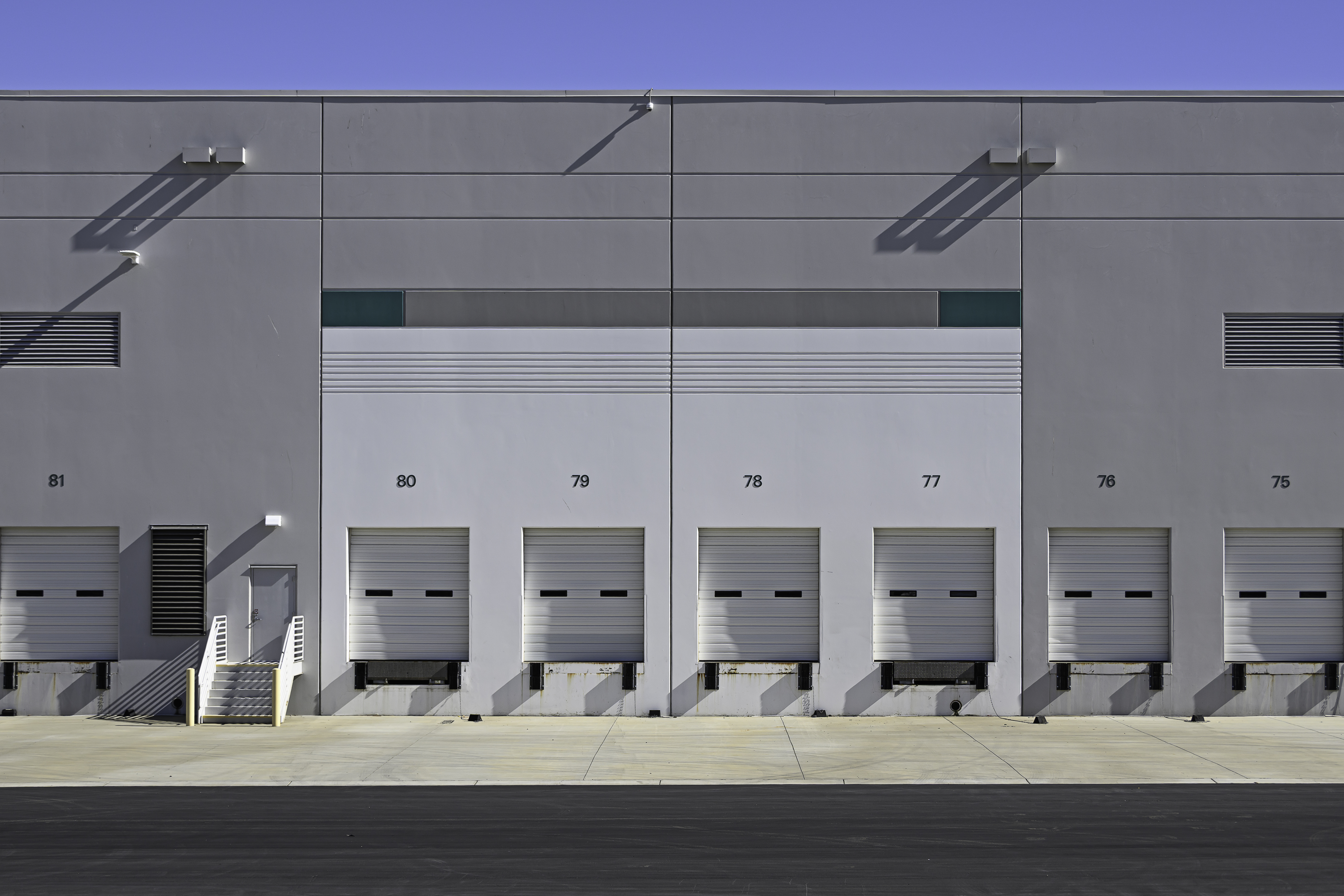
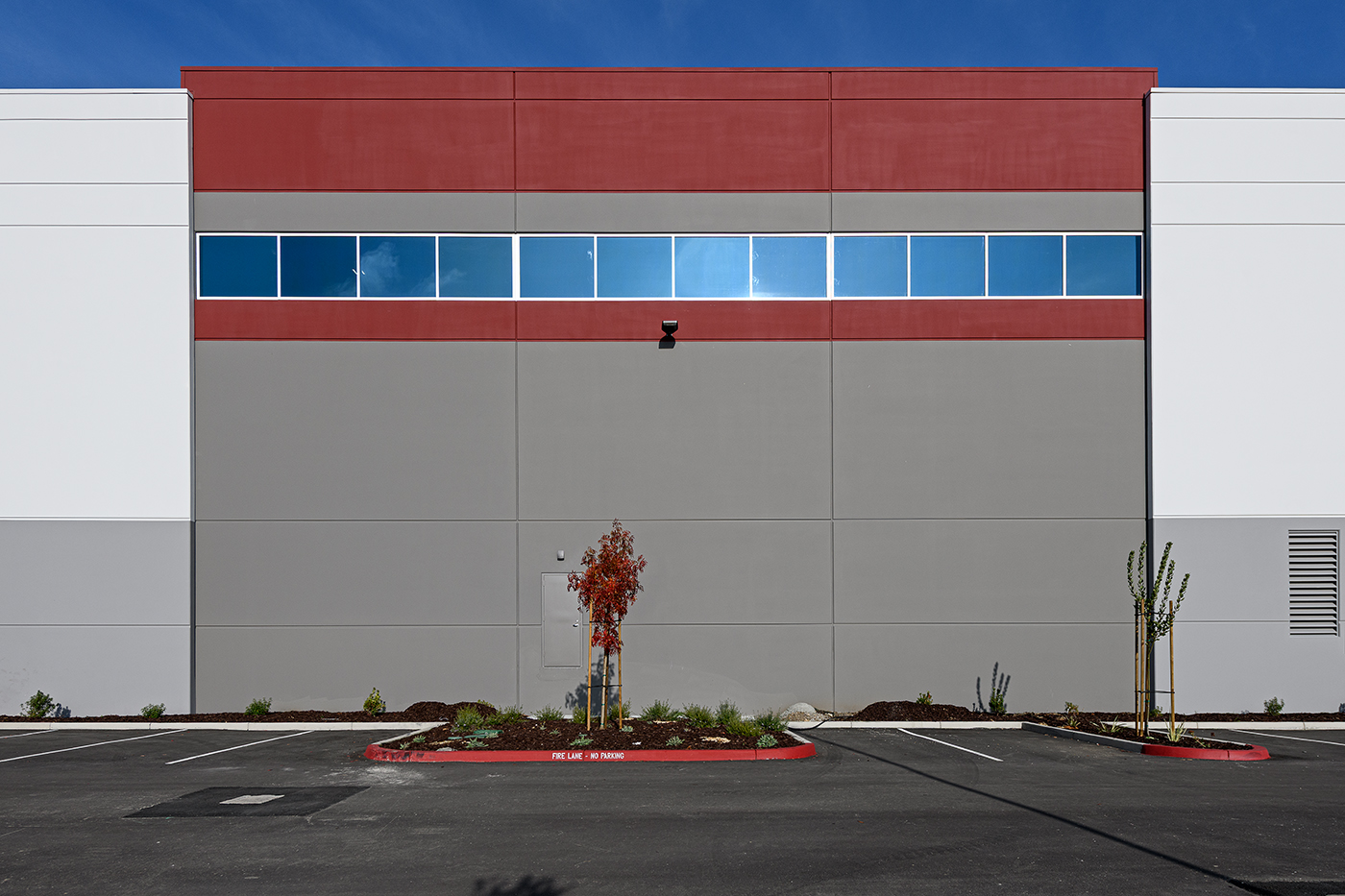
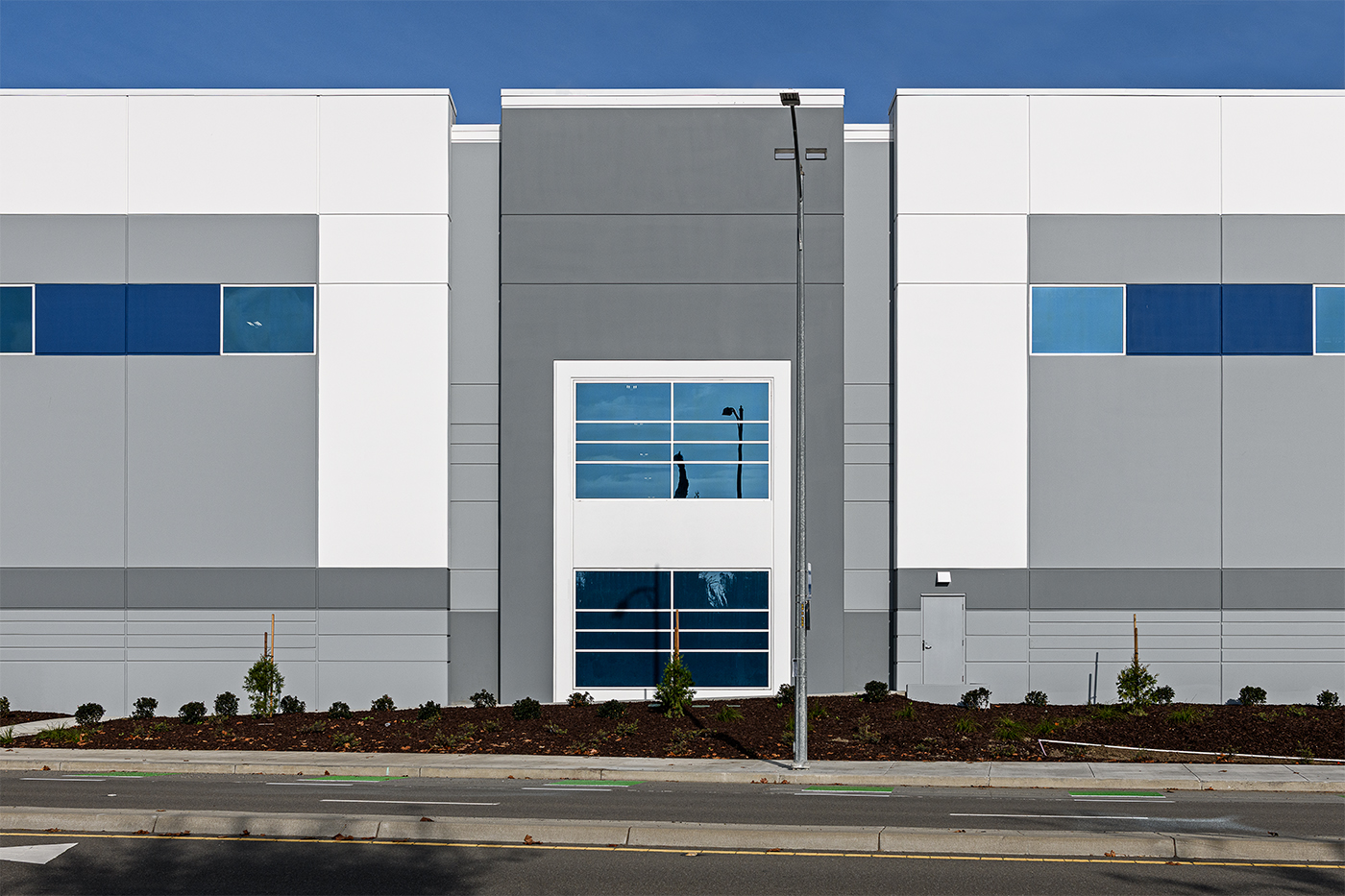
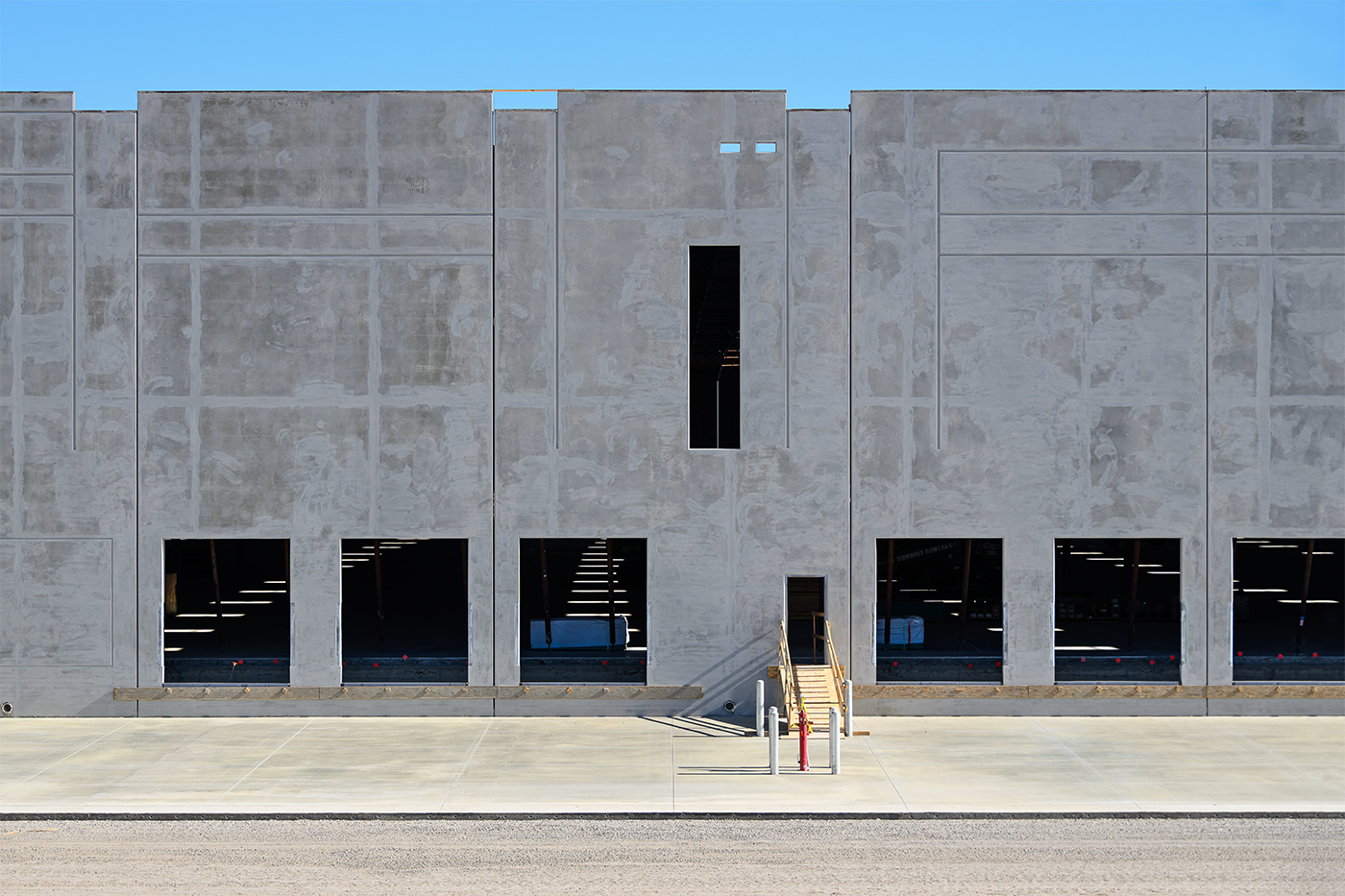
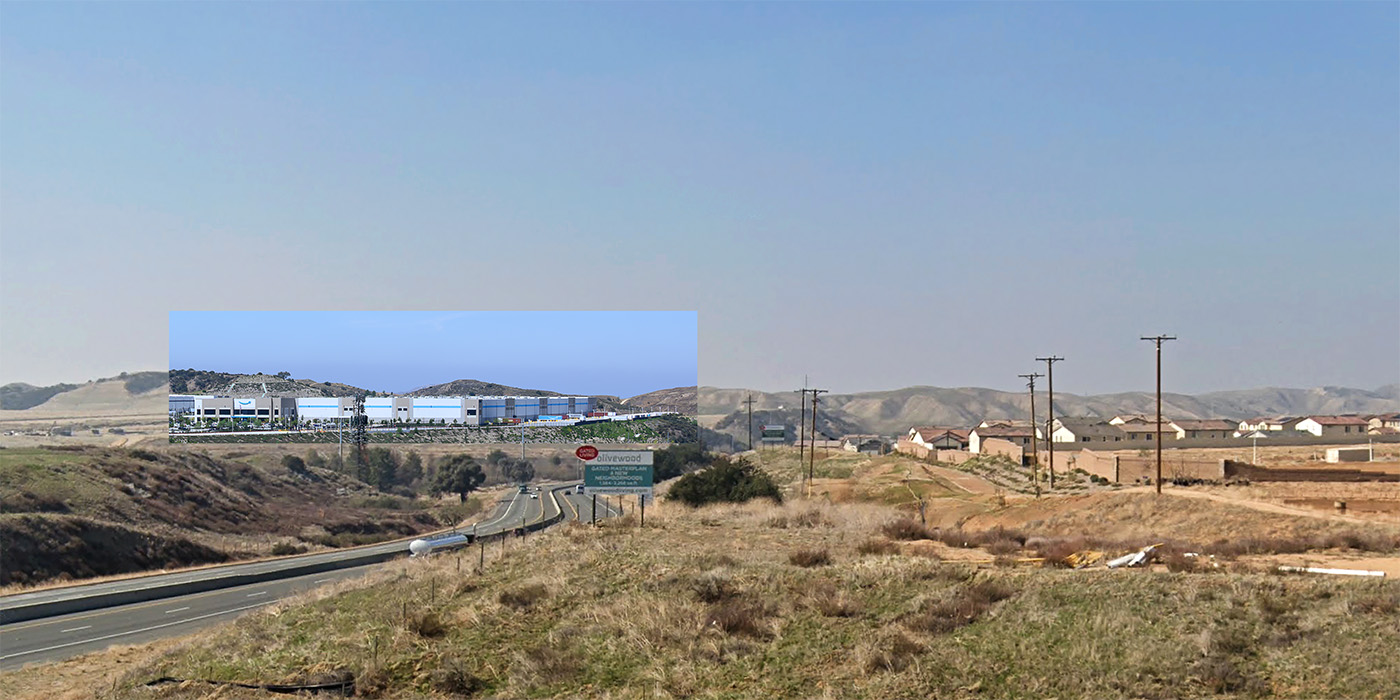
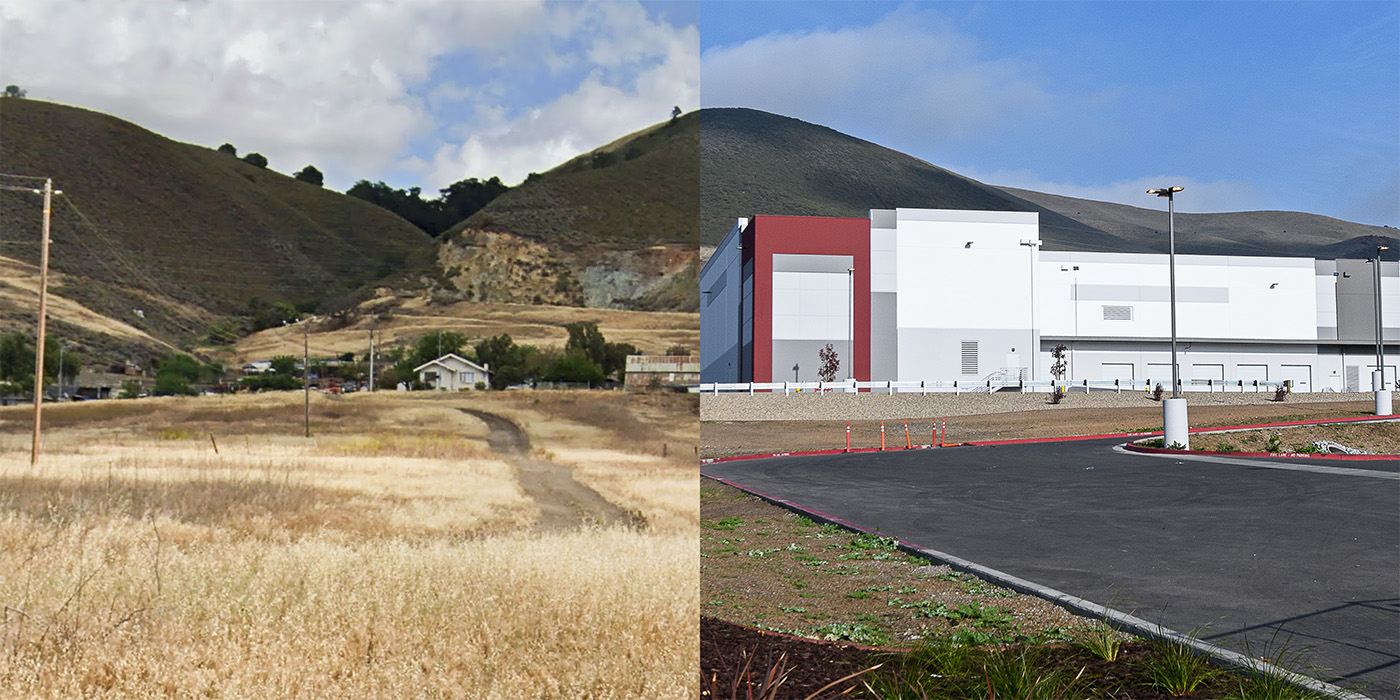
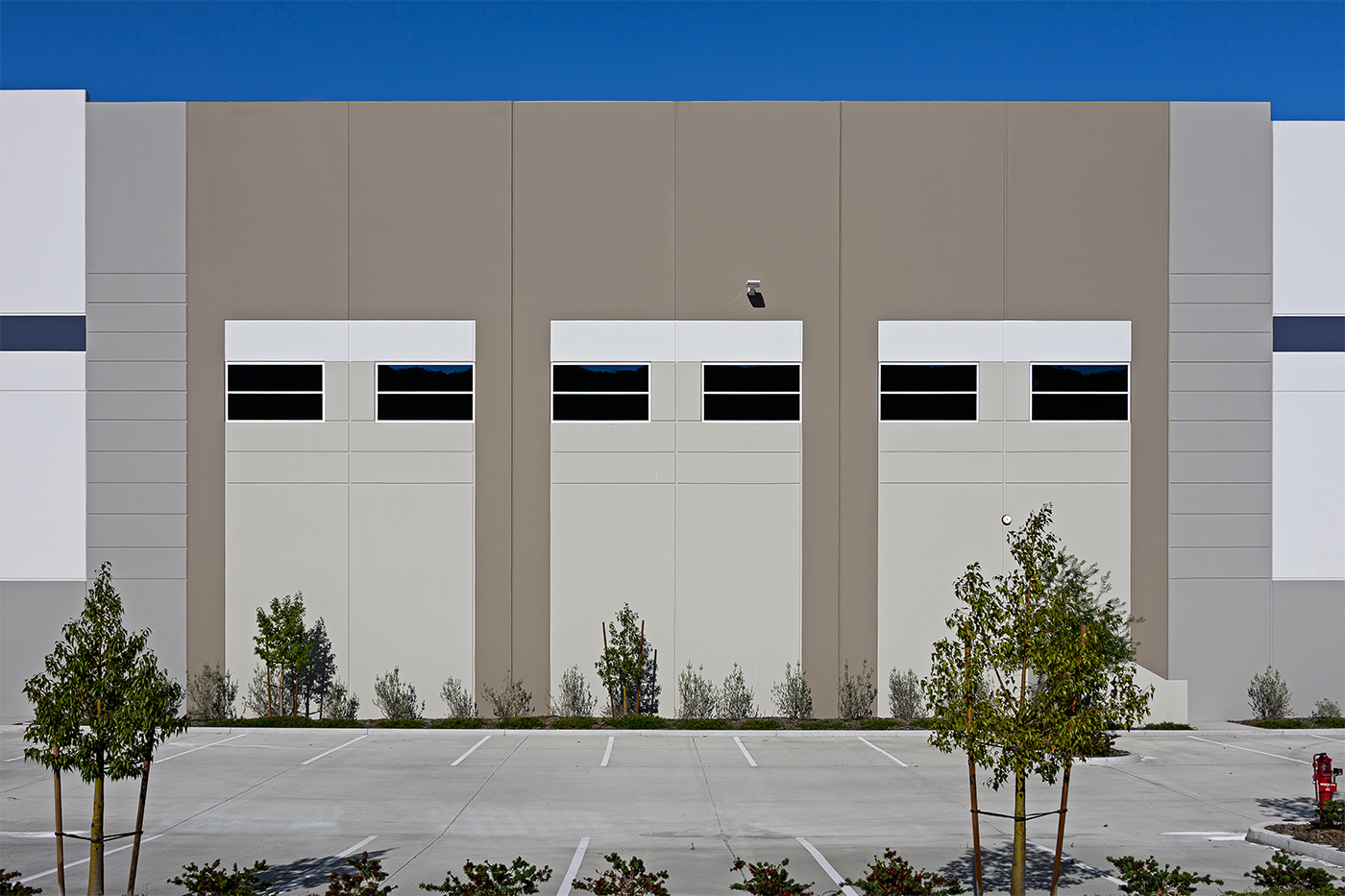
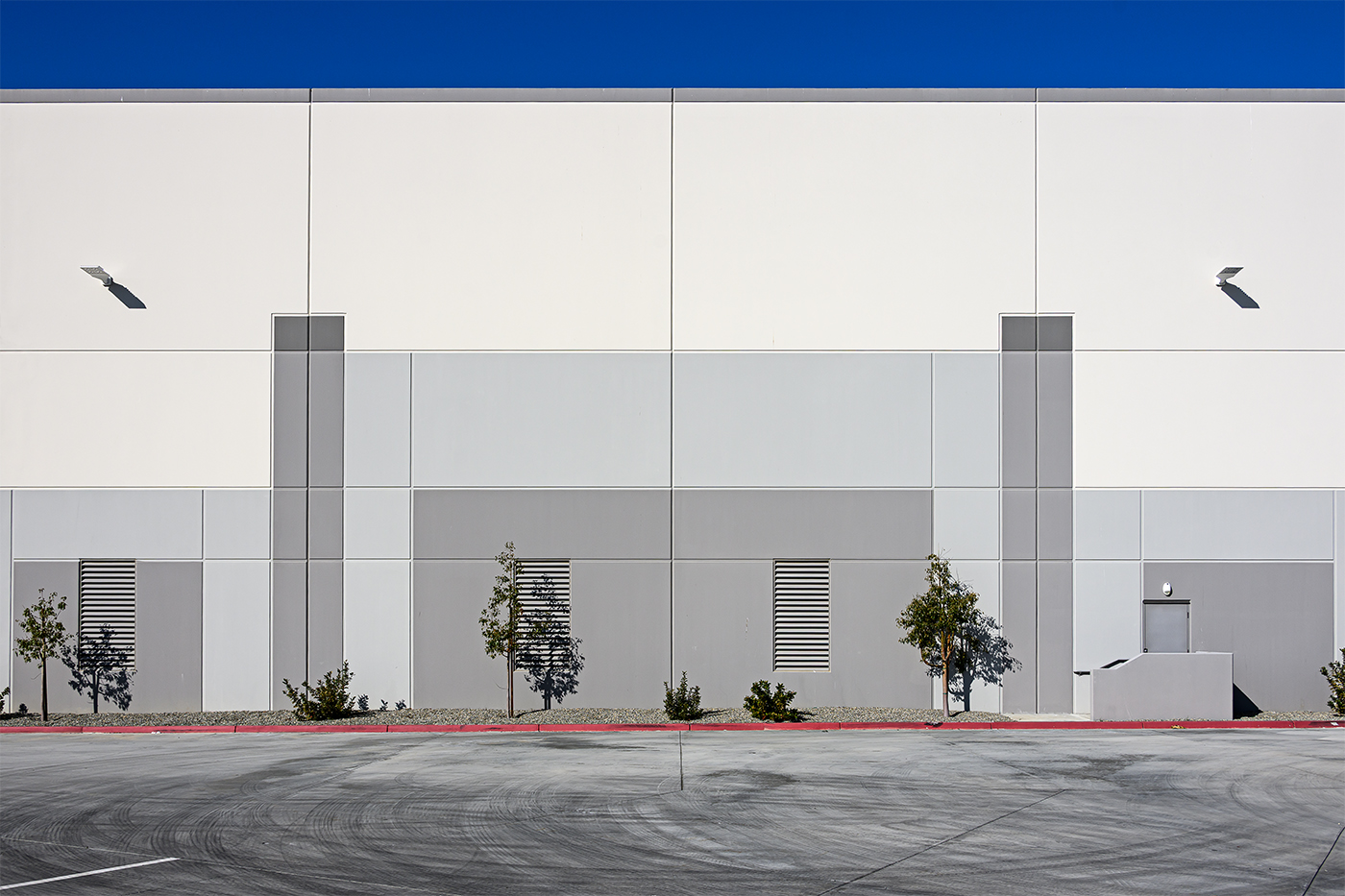
Vast e-commerce fulfillment and distribution warehouses are replacing farmland and open space along the edges of California's communities, located where highways, rail corridors, and last-mile delivery routes converge. What was once prime agricultural land is now prime location of a different kind, ground for the infrastructure of instant consumption. The warehouses' repetitive, copy-and-paste architecture — banal yet monumental — has become a new vernacular, a built expression of the shift from brick-and-mortar retail to e-commerce. As a lifelong Californian, I've watched development steadily consume the landscape; nothing has arrived as suddenly as these warehouses. Prime Location examines this transformation.
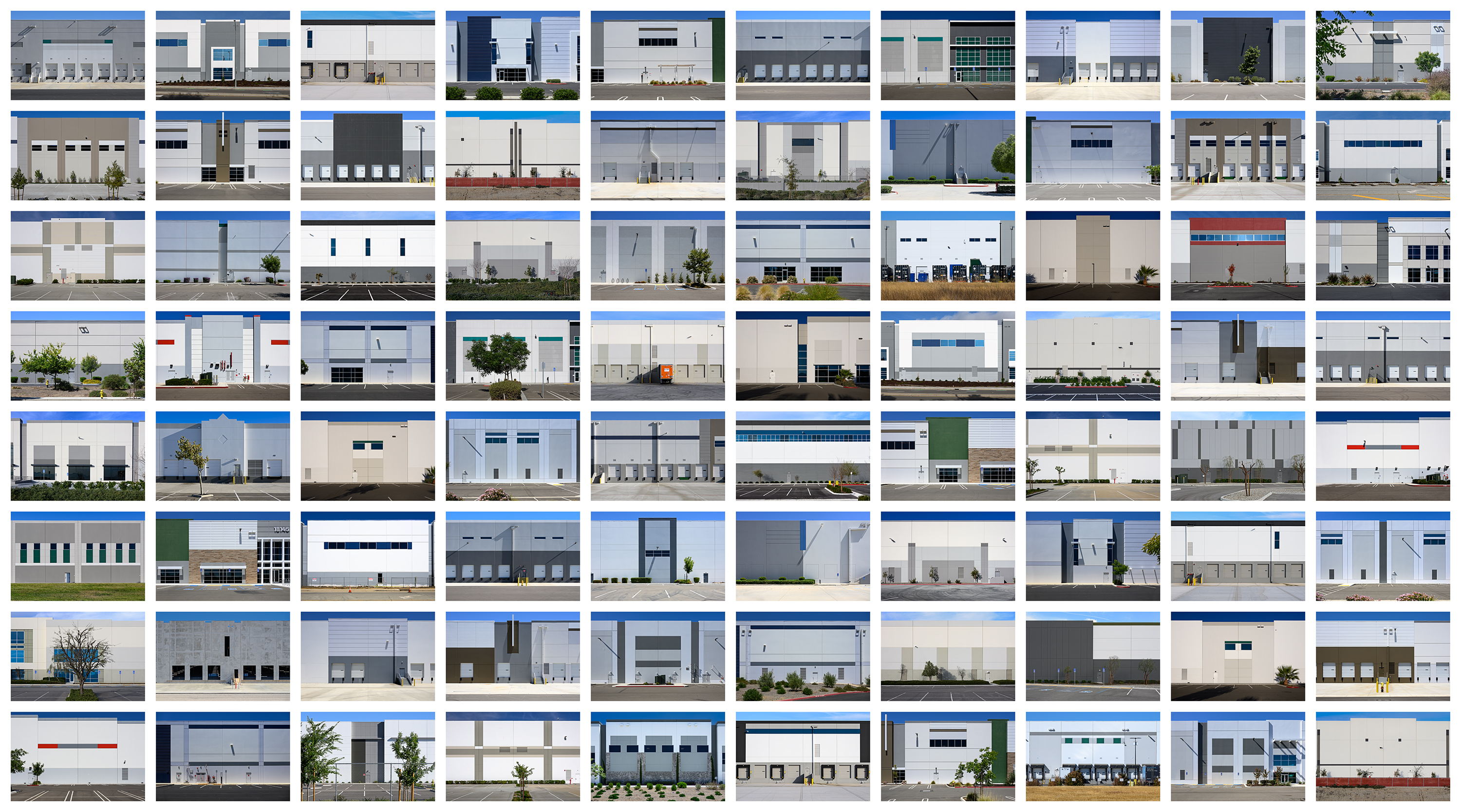
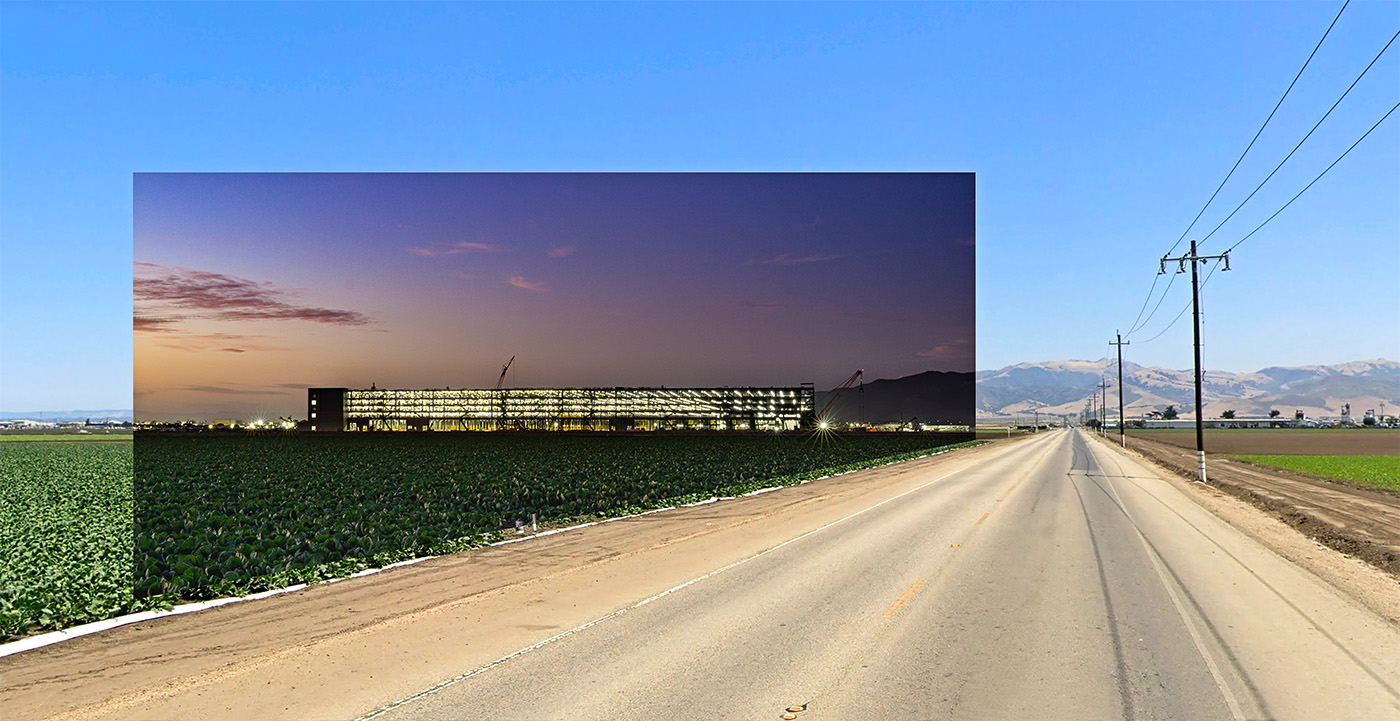
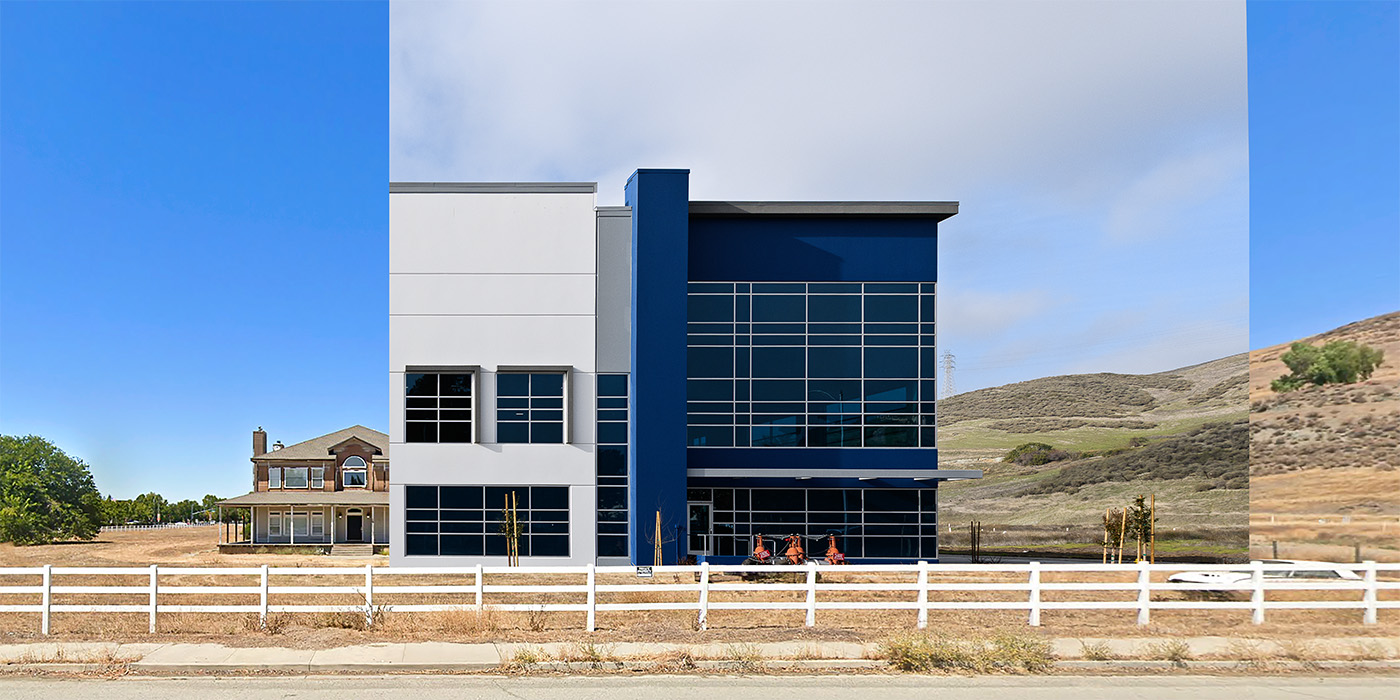
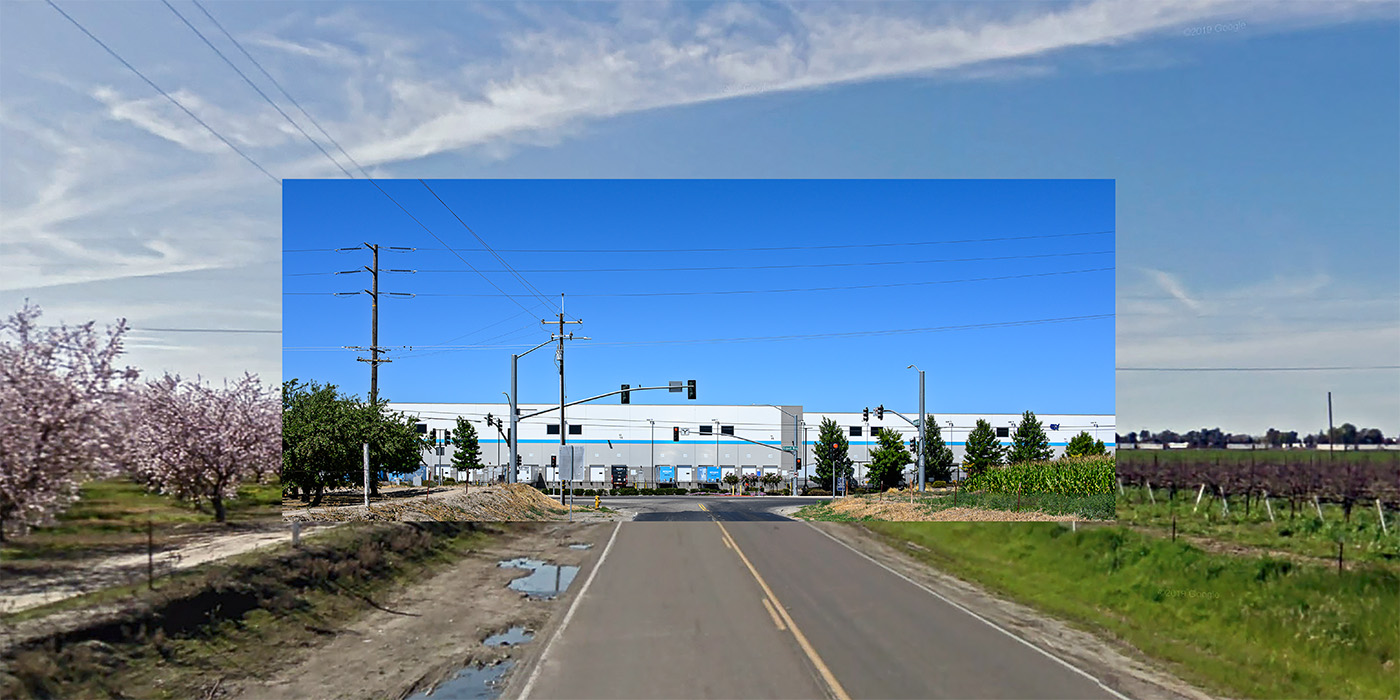
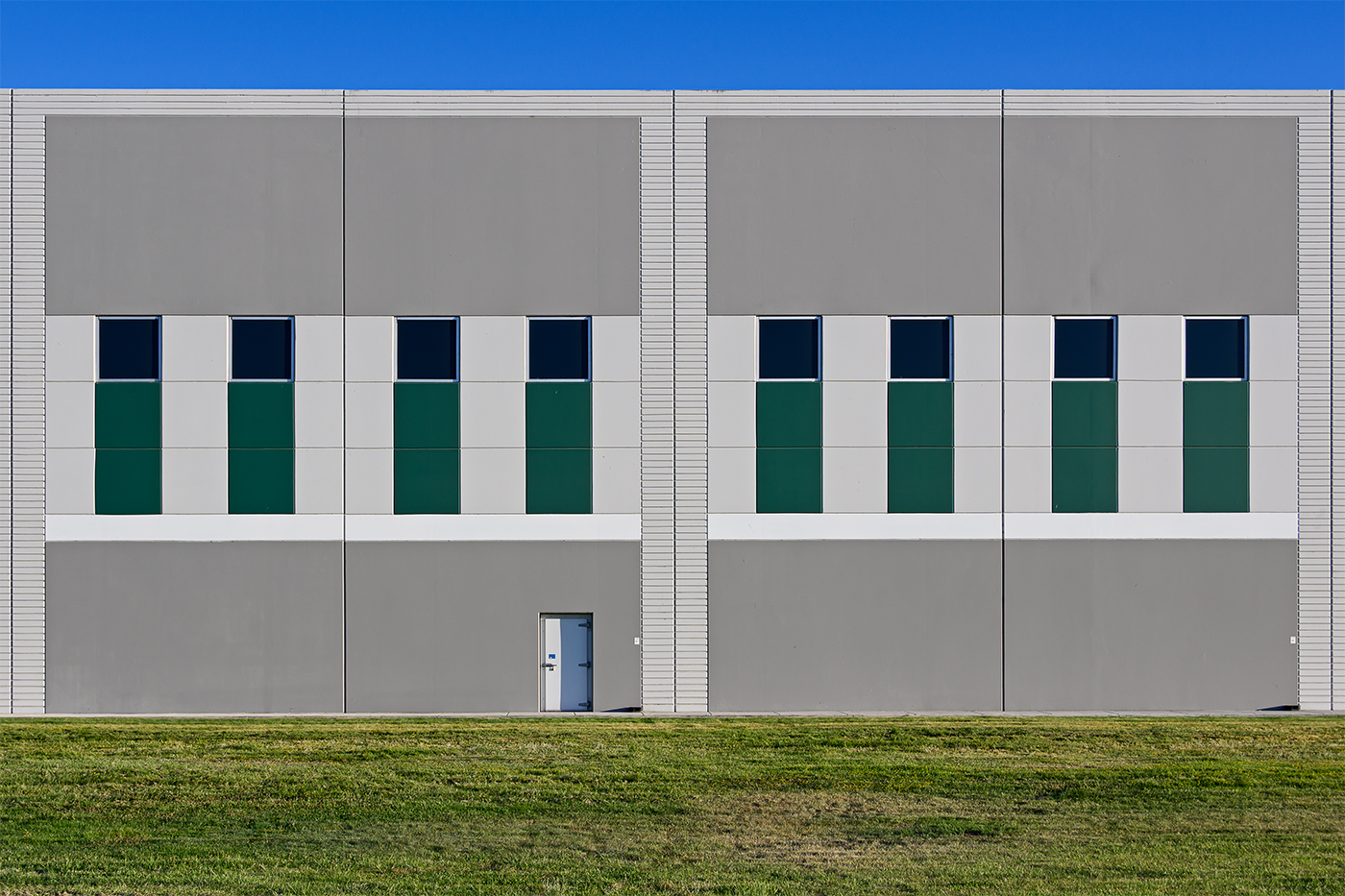
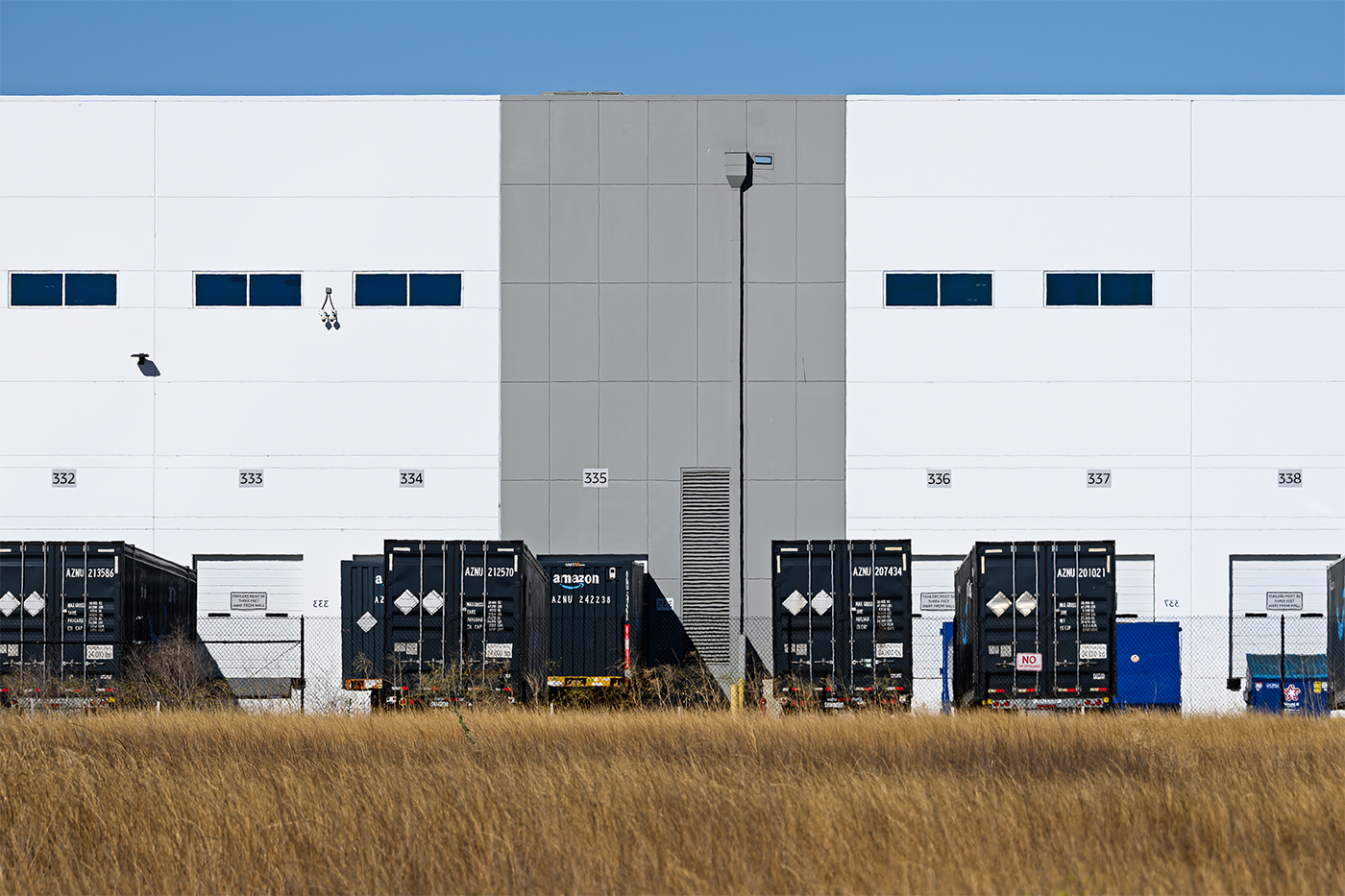
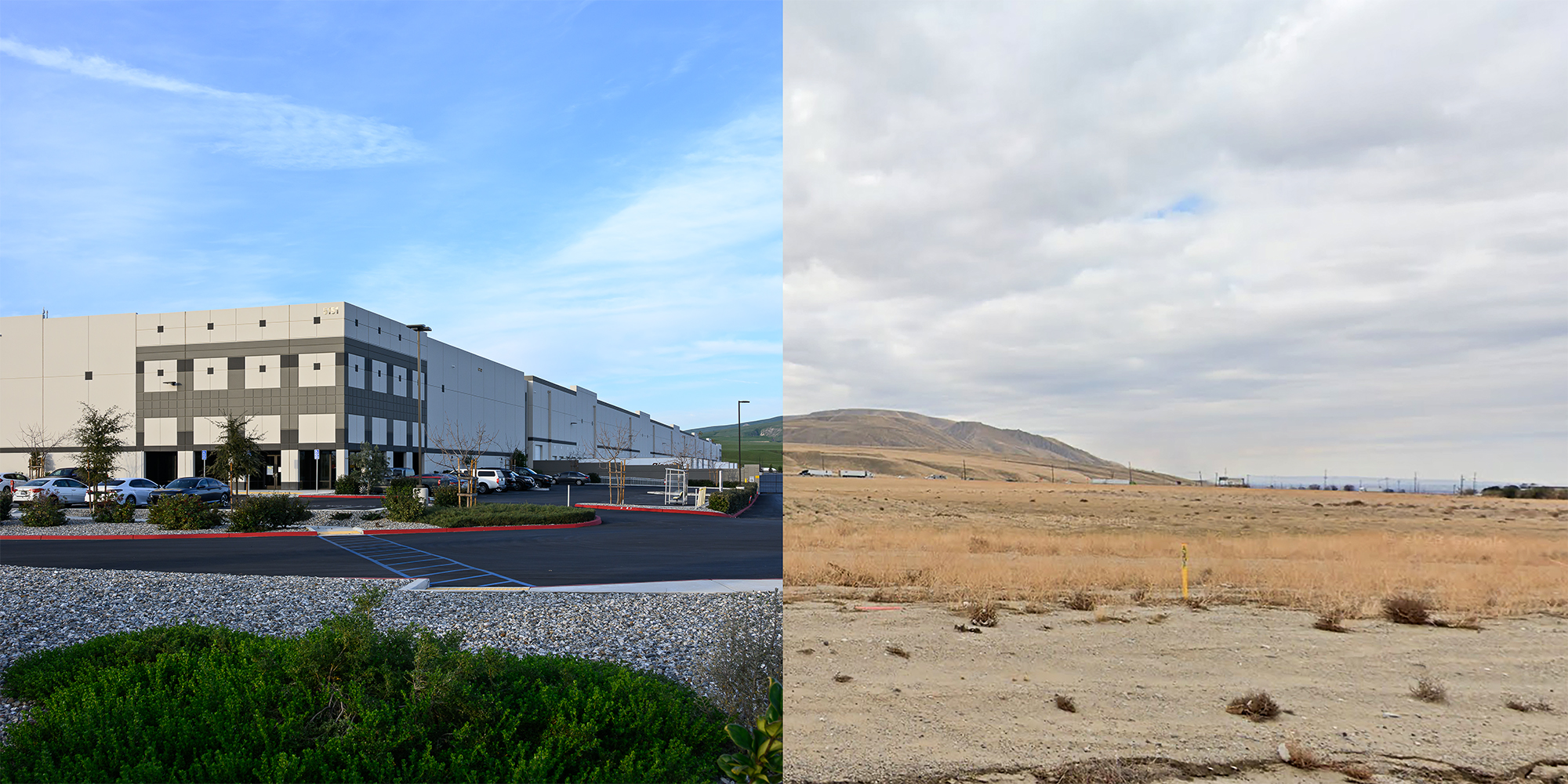
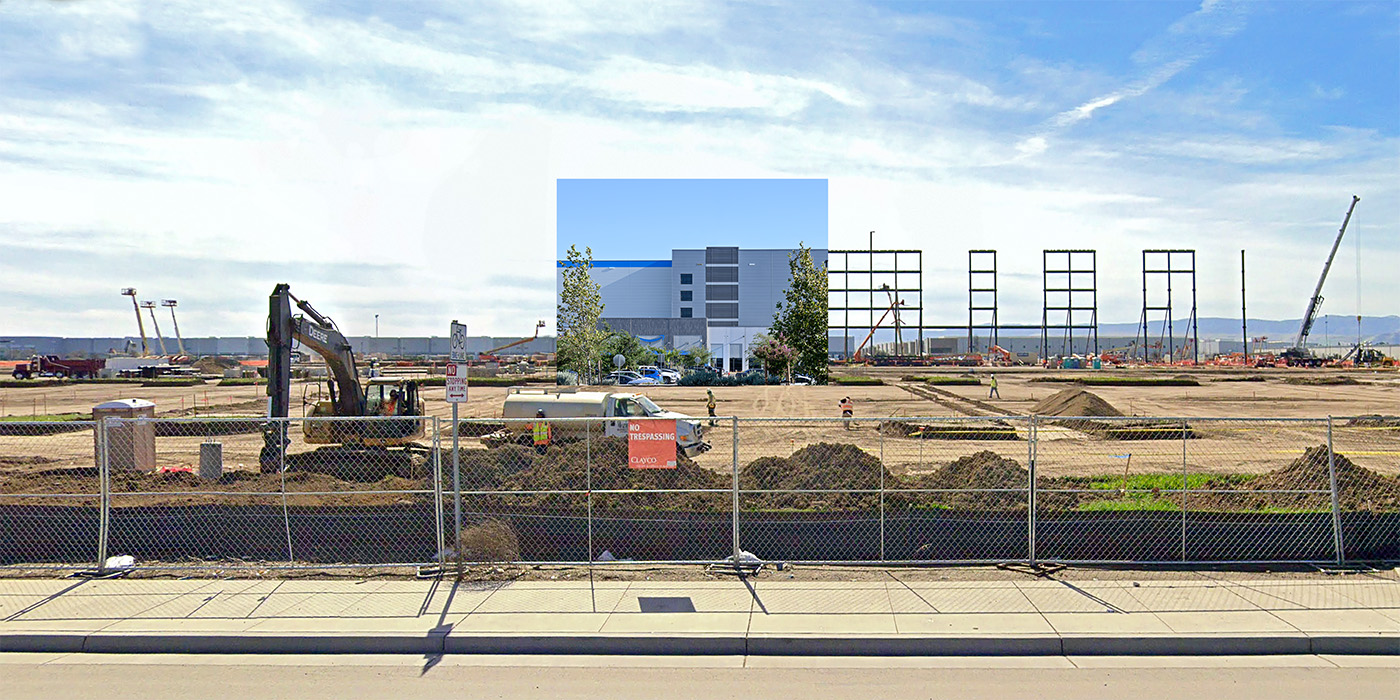
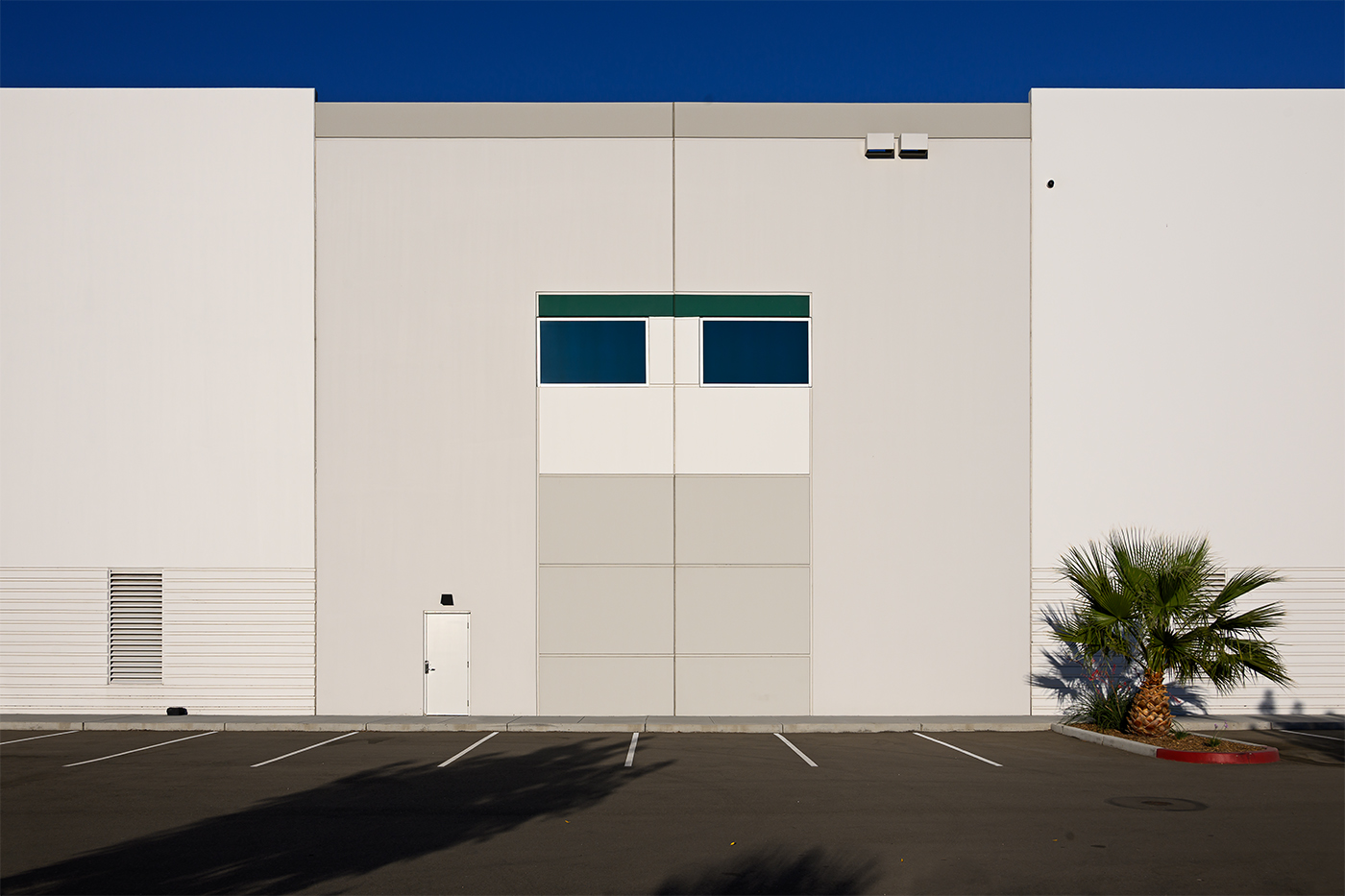
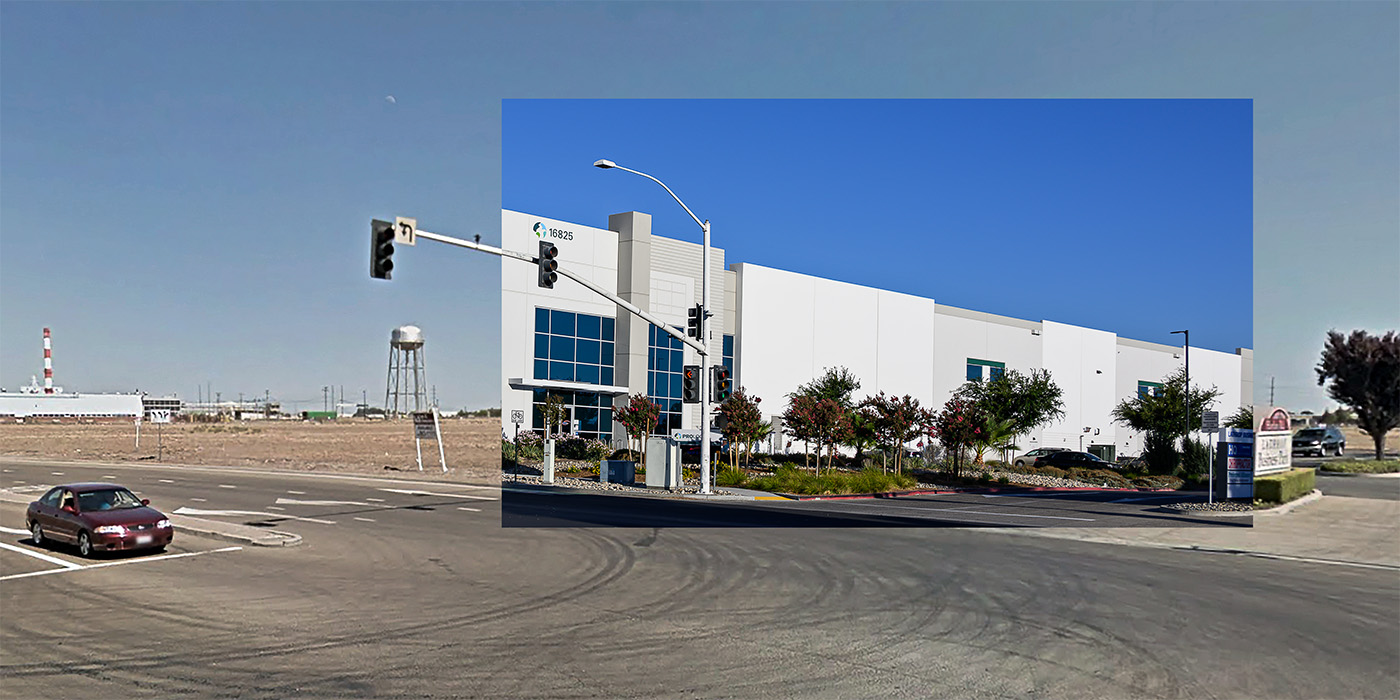
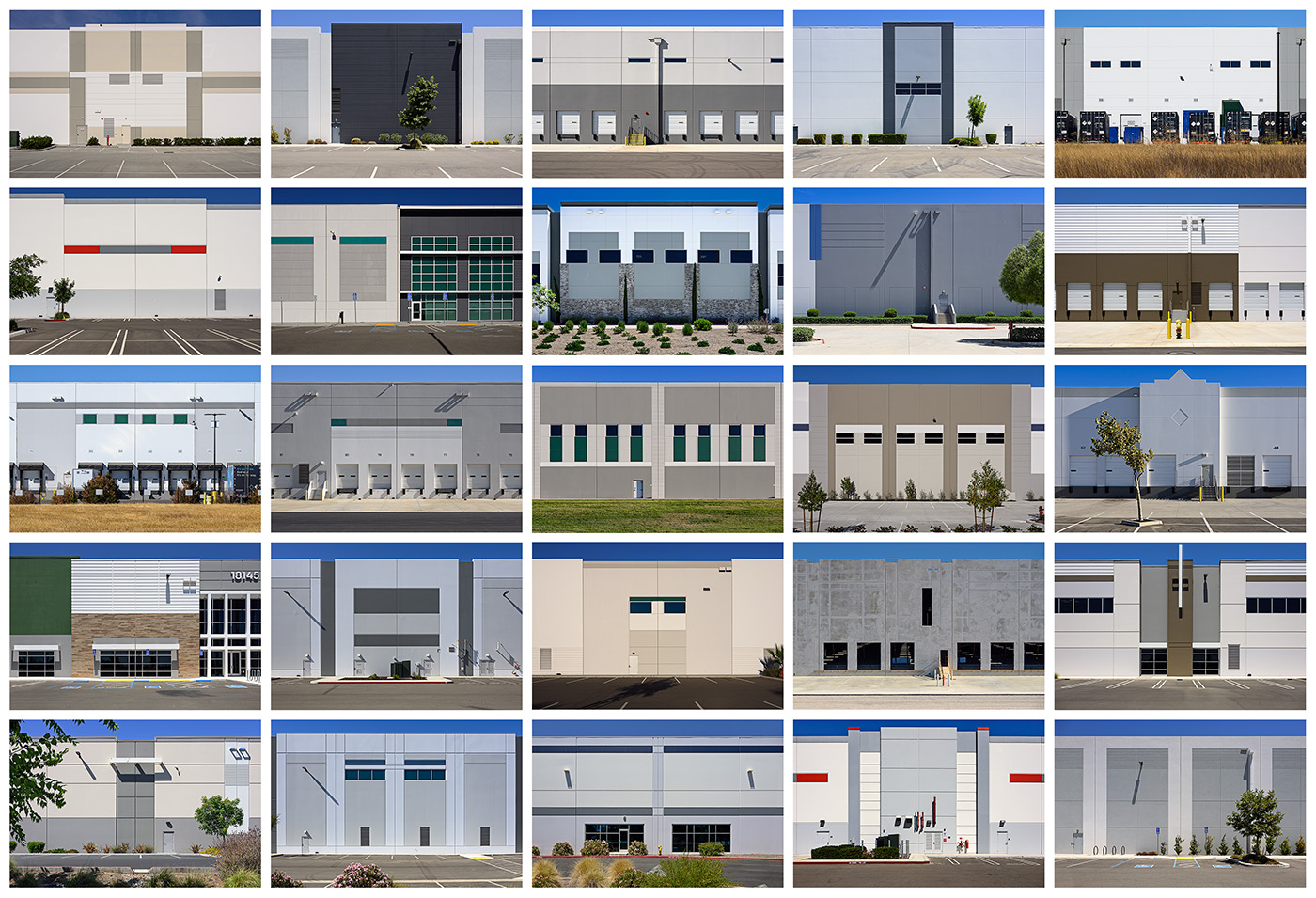
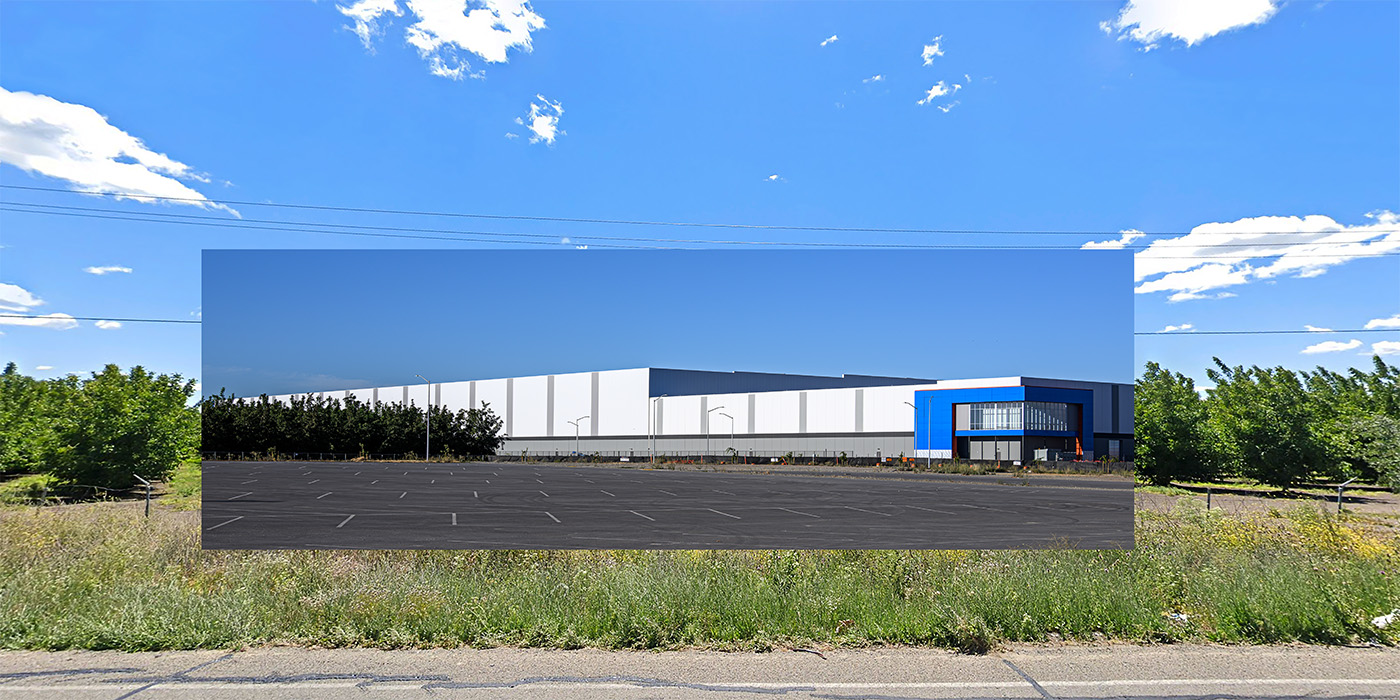
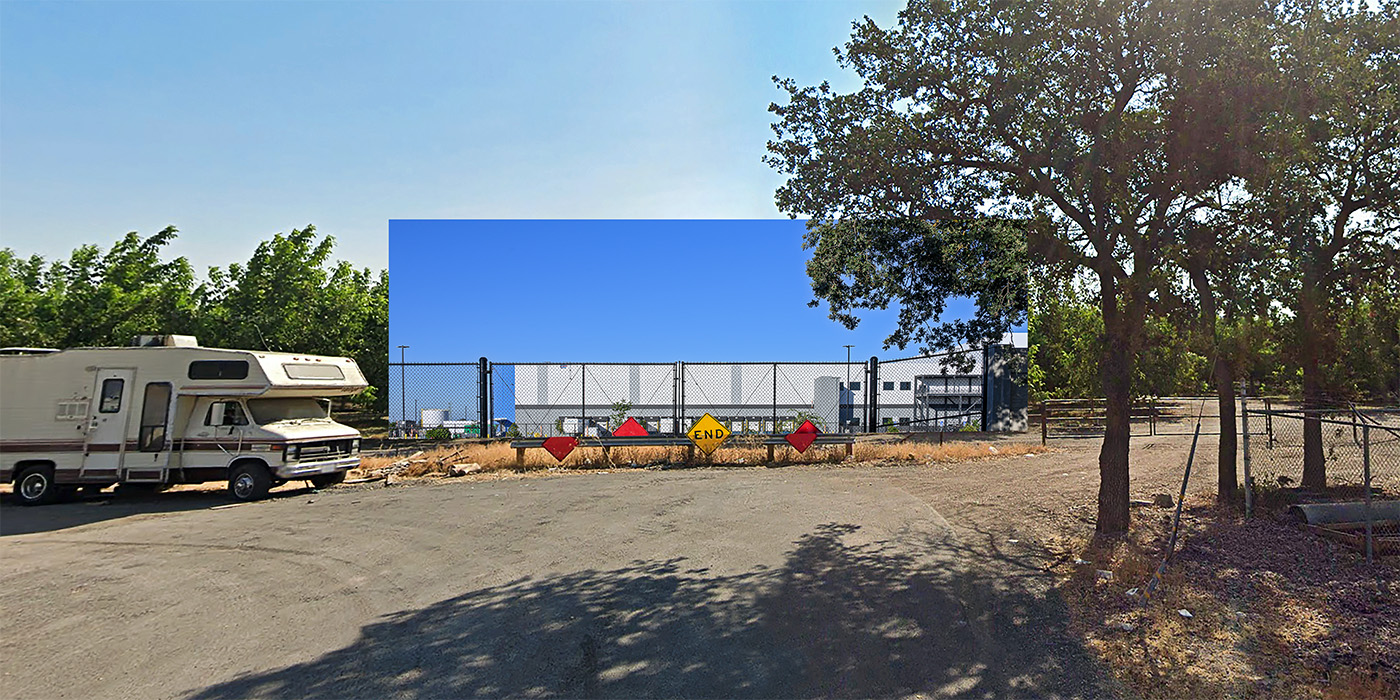
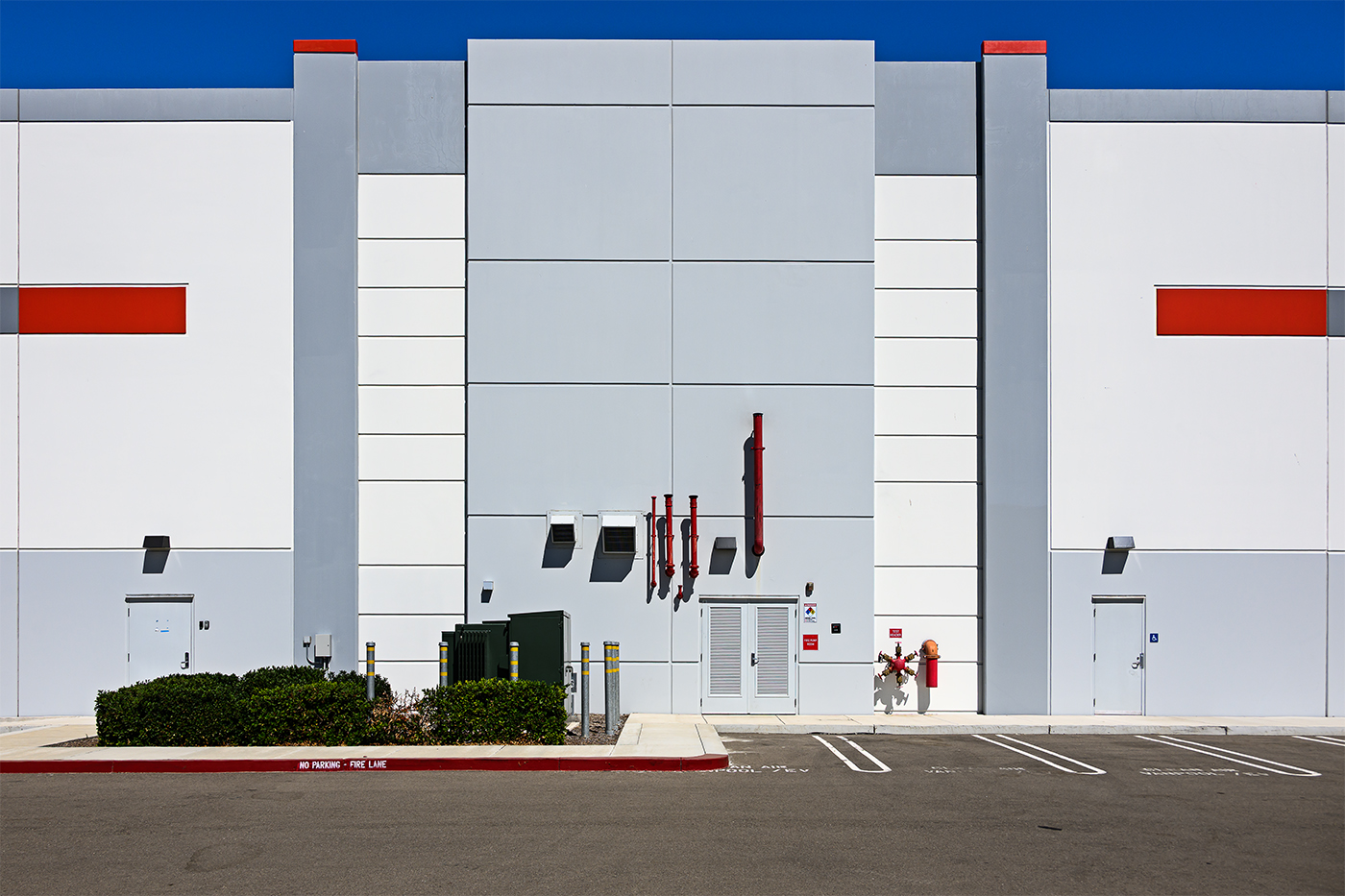
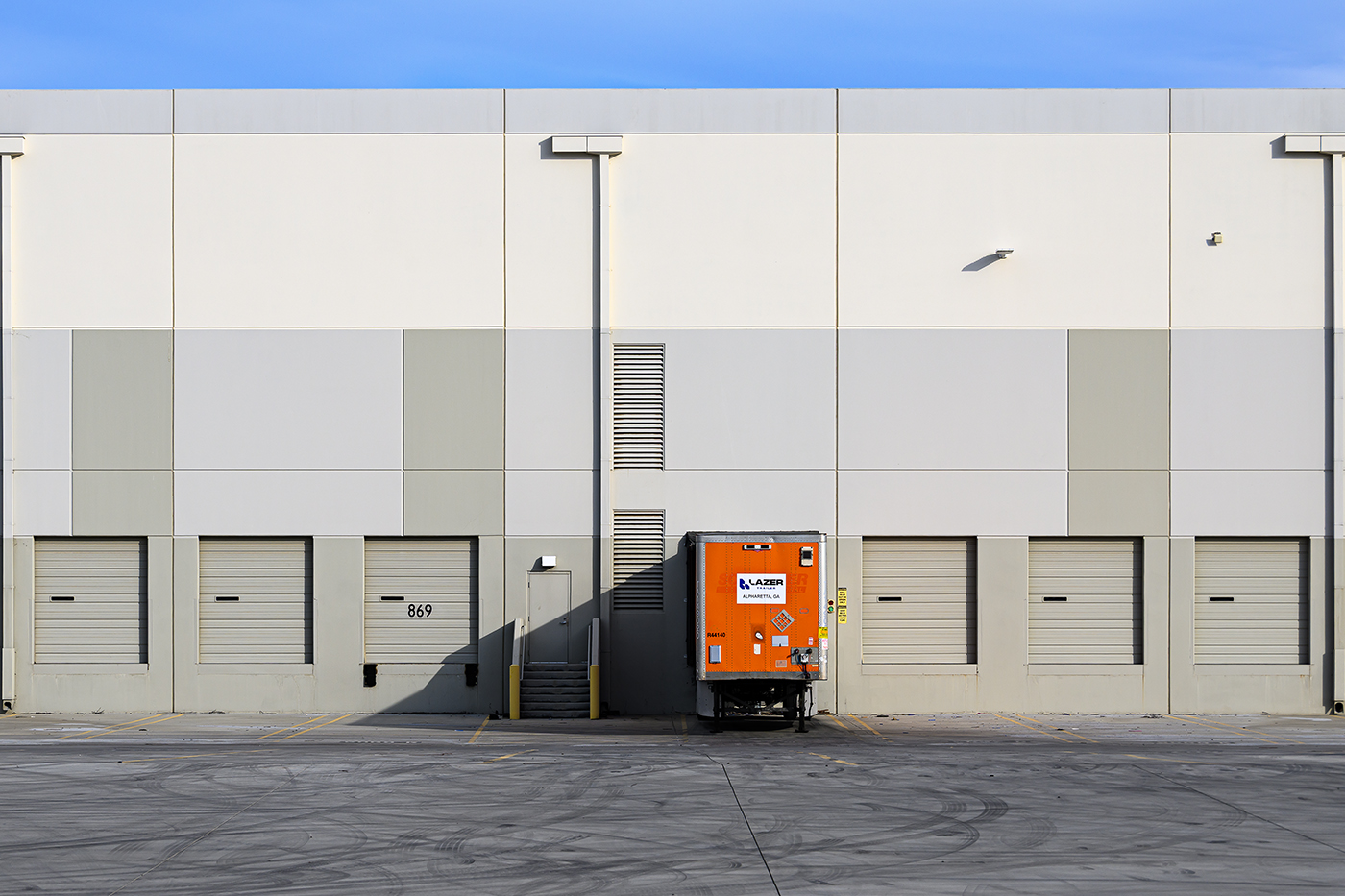
The project brings together two interconnected bodies of work. The first is a typological series of warehouse façades, emphasizing anonymity and standardized design. The second consists of temporal layerings that combine my photographs of newly constructed warehouses with earlier Google Street View images, some captured only months before, when the same sites were still pastures, orchards, or open fields. Compressing multiple moments within a single frame, these composites chart how quickly working landscapes become industrial ones, drawing on photography's traditions of rephotography and typological study.
The images consider the paradox of convenience: altered terrain, displaced memory, and architecture optimized for algorithmic efficiency rather than human presence. As the logistics of next-day delivery reshape the land, hyperconsumerism reorganizes landscapes around the automated movement of goods rather than the people who inhabit them.